Speakers
Invited Speakers
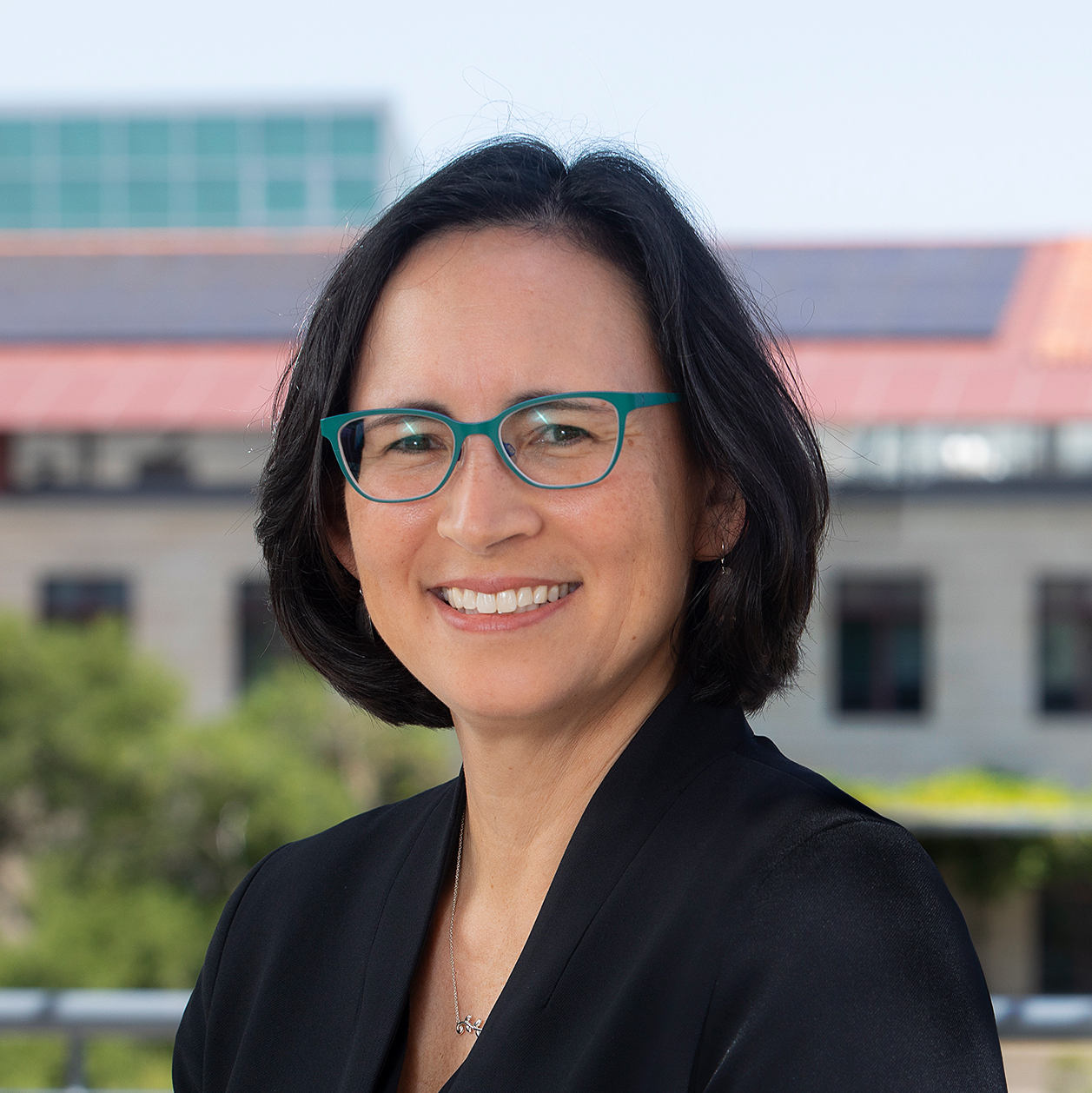
Allison Okamura
Richard W. Weiland Professor of Engineering
Stanford University
Pneumatic Twin System for Haptic Teleoperation
I will present a wearable pneumatic glove system that enables continuous, bidirectional haptic interaction through a unified pressure-based sensing and actuation modality. By grounding both force capture and feedback in the same physical substrate, the system achieves an interpretable and low-latency mapping to contact forces that vibrotactile and high-resolution tactile array approaches lack. The twin architecture supports direct force mirroring between a human and a manipulator with end-to-end latency under 86 ms, enabling closed-loop tactile communication suitable for fast physical interaction. Beyond teleoperation, where bidirectional feedback improves force regulation and task performance, the approach addresses an emerging need in robot learning: providing interpretable, real-time tactile feedback during demonstration collection for imitation and diffusion learning systems.
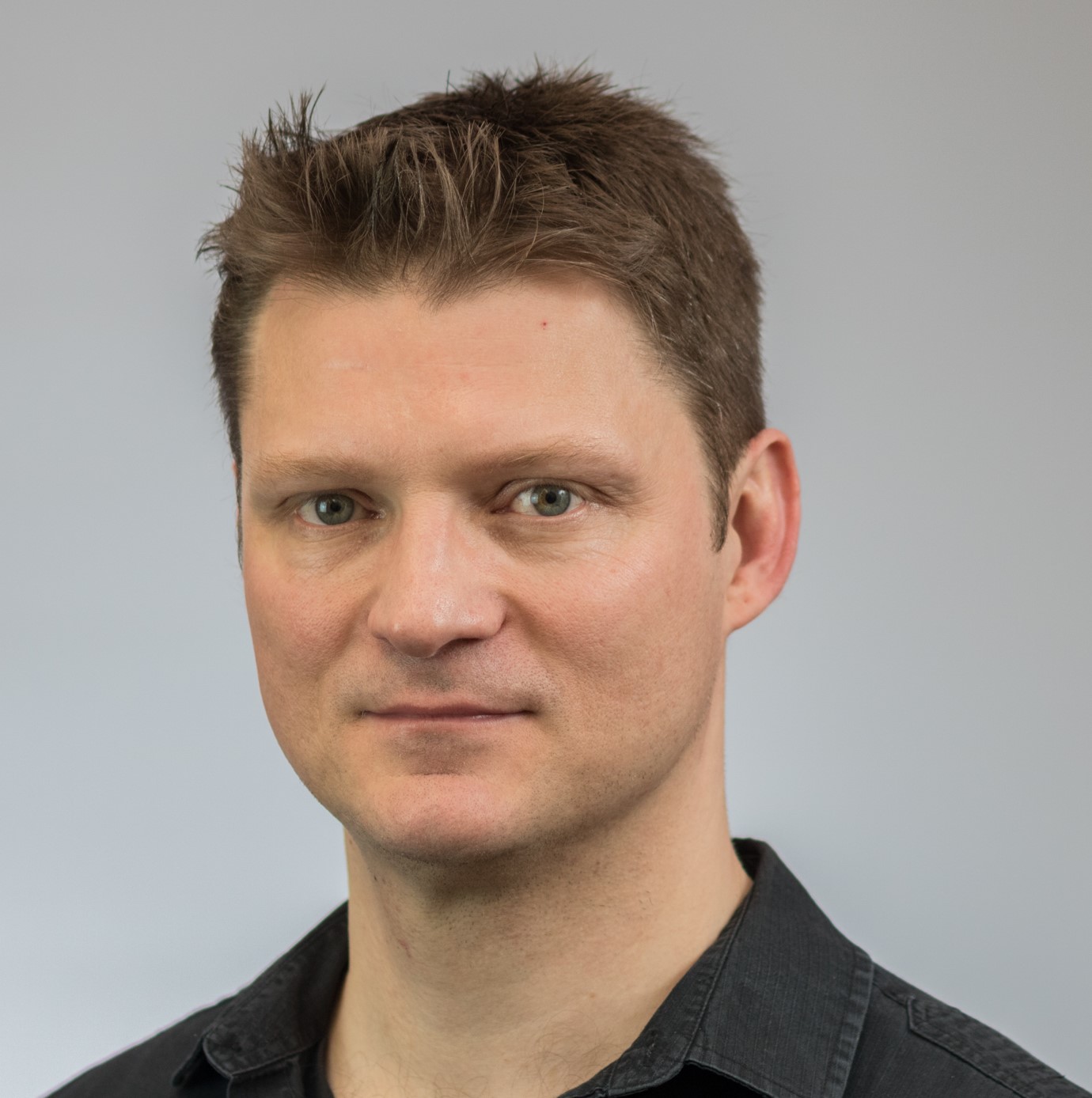
Nathan Lepora
Professor of Robotics & AI
University of Bristol
Tactile robotics: Past and future
What is the future of tactile robotics? To help define that future, this talk provides a historical perspective on tactile sensing in robotics from the wealth of knowledge and expert opinion in nearly 150 reviews over almost half a century. Recent expansion has led to diverse themes emerging of e-skins, tactile robotic hands, vision-based tactile sensing, soft/biomimetic touch, and the tactile Internet. In the next generation from 2025, tactile robotics could mature to widespread commercial use, with applications in human-like dexterity, understanding human intelligence, and telepresence impacting all robotics and AI. By linking past expert insights to present themes, this talk will highlight recurring challenges in tactile robotics, showing how the field has evolved, why progress has often stalled, and which opportunities are most likely to define its future.
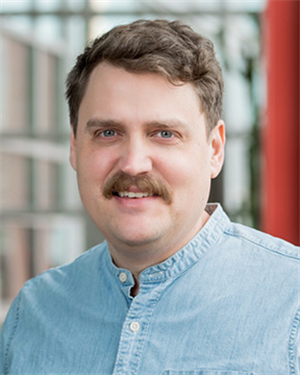
Craig Shultz
Co-Founder and CTO
Fluid Reality
High Resolution Haptics for Teleoperation
Industry perspective on next-generation haptic technologies and how these can revolutionize teleoperation.
Rebecca Friesen
Assistant Professor
Texas A&M University
Sensorizing Human Dexterous Manipulation to Inform Tactile Strategies for Robotic Hands
Human hands continuously regulate grip force, tangential loading, and local skin deformation during dexterous tasks, yet many of these tactile dynamics remain difficult to measure and are rarely incorporated into robotic manipulation frameworks. We present a sensing platform designed around an everyday dexterous task (jar opening) that simultaneously records fingertip forces and fingerpad skin deformation during active manipulation. Preliminary results suggest tightly coordinated grip adaptation during loading, along with distinct functional roles across digits: one finger appears to stabilize contact while the other contributes more actively to torque generation. These findings motivate discussion of how tactile sensing in robotic hands might move beyond global force measurement toward richer representations of contact state, slip, and finger-specific control during contact-rich manipulation.
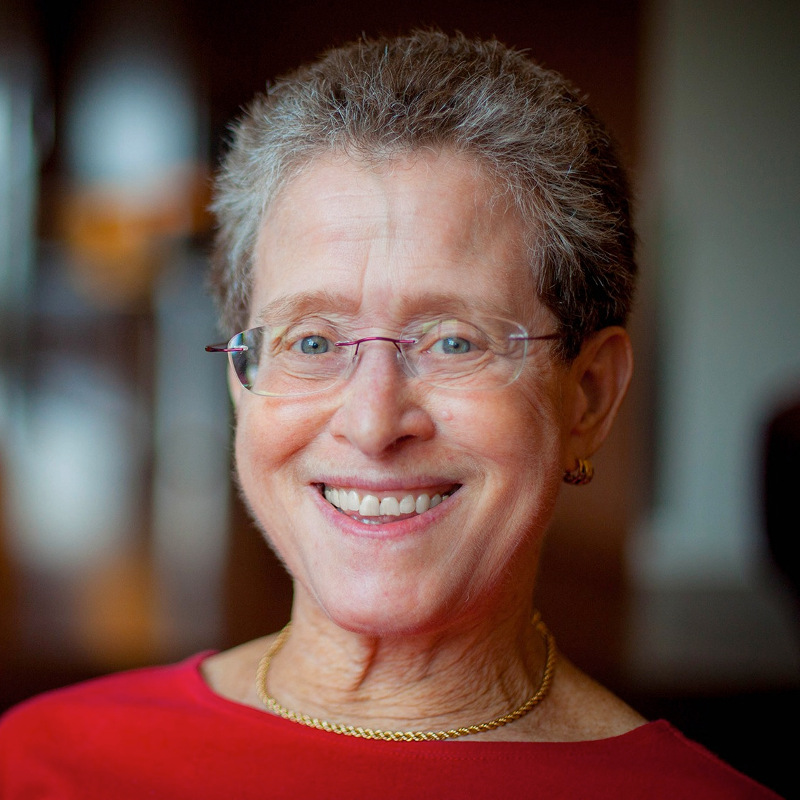
Roberta Klatzky
Charles J. Queenan, Jr. University Professor of Psychology
Carnegie Mellon University
Role of touch in active manipulation
Touch is complex to model computationally and costly to simulate in robot sensors and actuators. These barriers have increasingly led engineers to emphasize visual guidance as a tool for dexterous robot manipulation. Using human manipulation as a model, I will argue for the critical importance of haptic sensing. My talk will review contributions of touch to human dexterity arising from multiple levels in the biological system — starting at the skin, progressing to the spinal cord and subcortical centers, and terminating in cortical brain centers that reciprocally decode signals from active touch and initiate exploratory behavior.